
Let’s be honest: a trip to the dentist can be a sensory gauntlet for anyone. The bright lights, the high-pitched whirring, the unfamiliar smells—it’s a lot. Now, imagine experiencing that with a brain that processes sensory information differently. For neurodivergent patients—including those with autism, ADHD, sensory processing disorder, or anxiety—a standard dental visit can feel overwhelming, even traumatic.
That’s where adaptive dentistry comes in. It’s not about a one-size-fits-all approach. It’s about flexibility, creativity, and a deep willingness to meet the patient exactly where they are. This shift is, frankly, long overdue. So, let’s dive into the practical tools and thoughtful strategies that are transforming dental care for neurodivergent individuals.
Rethinking the Environment: The First Line of Defense
Before a single tool touches a tooth, the environment sets the stage. A chaotic, overstimulating waiting room can escalate anxiety before the appointment even begins. Adaptive practices are getting clever here.
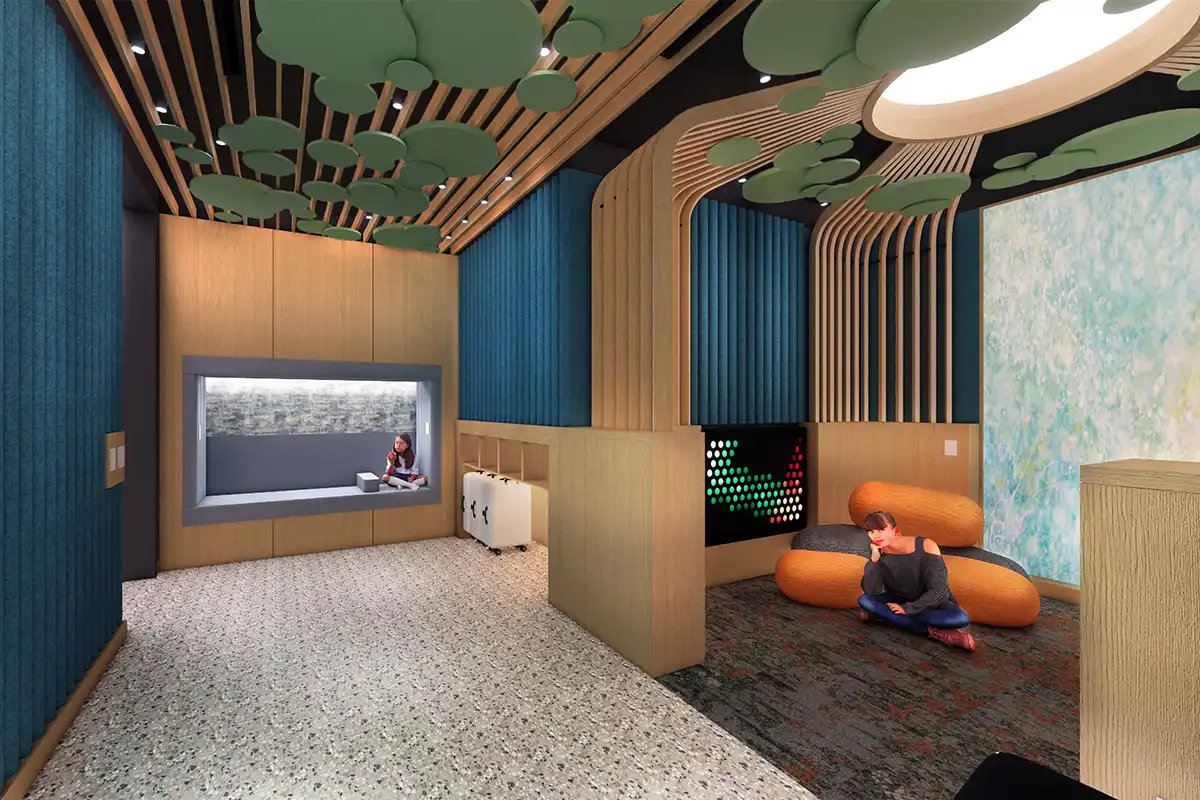
Think sensory-friendly modifications. Offering noise-canceling headphones to mute the drill’s buzz. Providing weighted blankets for deep pressure input, which can have a calming, grounding effect. Dimming the harsh overhead lights or using a slow-moving, colorful light projector on the ceiling for visual distraction. Some offices even create “quiet hours” with reduced staff and no background music.
It’s a simple but powerful concept: control the sensory input, and you build a foundation of trust.
Communication is a Tool, Too
And here’s the deal—the best adaptive tool isn’t something you can buy. It’s communication. This means ditching the complex medical jargon and using clear, concrete language. Instead of “We’re going to administer an anesthetic,” you might say, “I’m going to put some sleepy jelly on your gum, then you’ll feel a tiny pinch that lasts three seconds.”
Visual aids are game-changers. Social stories (simple picture guides that walk through each step of the visit) or visual schedules can demystify the entire process. For some patients, showing the tools first—letting them touch the mirror or feel the suction on their hand—turns a scary object into a known quantity. It’s about predictable sequencing, which reduces the fear of the unknown.
Adaptive Dental Tools: Beyond the Standard Tray
Okay, onto the physical tools. The industry is seeing fantastic innovation here, moving away from the cold, metallic standard issue. The goal? Reduce discomfort, increase predictability, and give the patient a sense of agency.
Here’s a look at some key adaptive dental instruments and aids:
| Tool Category | What It Is | The Neurodivergent Benefit |
|---|---|---|
| Silent or Vibration-Dampened Drills | High-speed handpieces designed to minimize audible noise and tactile vibration. | Drastically reduces a major auditory and sensory trigger. The difference isn’t just heard; it’s felt. |
| LED Dental Lights with Adjustable Color Temp | Overhead lights that can be warmed from a harsh “daylight” blue to a softer, amber hue. | Less visual glare and intensity, which can be a huge relief for light sensitivity. |
| Disposable Mouth Props (Bite Blocks) | Soft, flavored (or unflavored) silicone blocks that help patients keep their mouth open comfortably. | Provides a consistent, predictable feel. Eliminates muscle fatigue and gives the jaw a “job” to do, which can be calming. |
| Adaptive X-Ray Sensors | Thinner, more flexible digital sensors, often with padded edges. | Easier to place and far more comfortable than rigid, bulky traditional sensors, reducing gag reflex triggers. |
| Tell-Show-Do Aids | Duplicate, non-sterile versions of tools (mirrors, explorers, polishers) for patient handling. | Transforms the abstract into the concrete. Hands-on learning builds familiarity and reduces fear. |
Behavioral and Scheduling Strategies That Make a Difference
Tools are fantastic, but they’re only part of the equation. The strategy behind their use is what truly creates a successful visit.
Pre-Visit Preparation & Collaboration
The work starts days before. A thorough intake form that asks about sensory sensitivities, communication preferences, and past medical traumas is essential. Even better? A brief phone call or email exchange with the caregiver—or the patient themselves. This collaboration allows the team to build a customized plan. Maybe they need the first appointment of the day to avoid a crowded waiting room. Perhaps they’ll use a “stop signal” (like raising a hand) to pause treatment at any moment. This upfront investment in time pays off in spades.
Chaining and Positive Reinforcement
Two behavioral techniques that work wonders are “chaining” and reinforcement. Chaining breaks the appointment into tiny, manageable steps, mastering one before adding the next. You might spend one visit just sitting in the chair. The next, counting teeth with a mirror. This builds a history of success.
Positive reinforcement—celebrating each win, no matter how small—is crucial. It shifts the focus from endurance to achievement. And the reward should be meaningful to the individual, not a generic sticker chart.
The Human Element: It’s All About the Team
At the end of the day, the most adaptive “tool” in the practice is a compassionate, trained team. Dentists and hygienists who are patient-led, who can read non-verbal cues, and who aren’t rigidly tied to the clock. It requires a mindset shift from “compliance” to “cooperation.”
This might mean accepting that a perfect cleaning isn’t always the goal for that day. Maybe the goal is simply a positive association. Because a positive experience today means the patient is far more likely to return tomorrow, preventing the dental phobias and emergency situations that are, sadly, all too common.
The trend is clear: dentistry is moving toward greater inclusivity. And honestly, the strategies that work for neurodivergent patients—clear communication, sensory awareness, and patient autonomy—are simply good, humane care for everyone. They make the practice better, not just more specialized.
So, what does the future hold? More innovation, sure. But more importantly, a deeper understanding that comfort and communication are just as vital as clinical skill. When we adapt our tools and our approach, we’re not just treating teeth. We’re caring for the whole, unique person in the chair—and that changes everything.


