
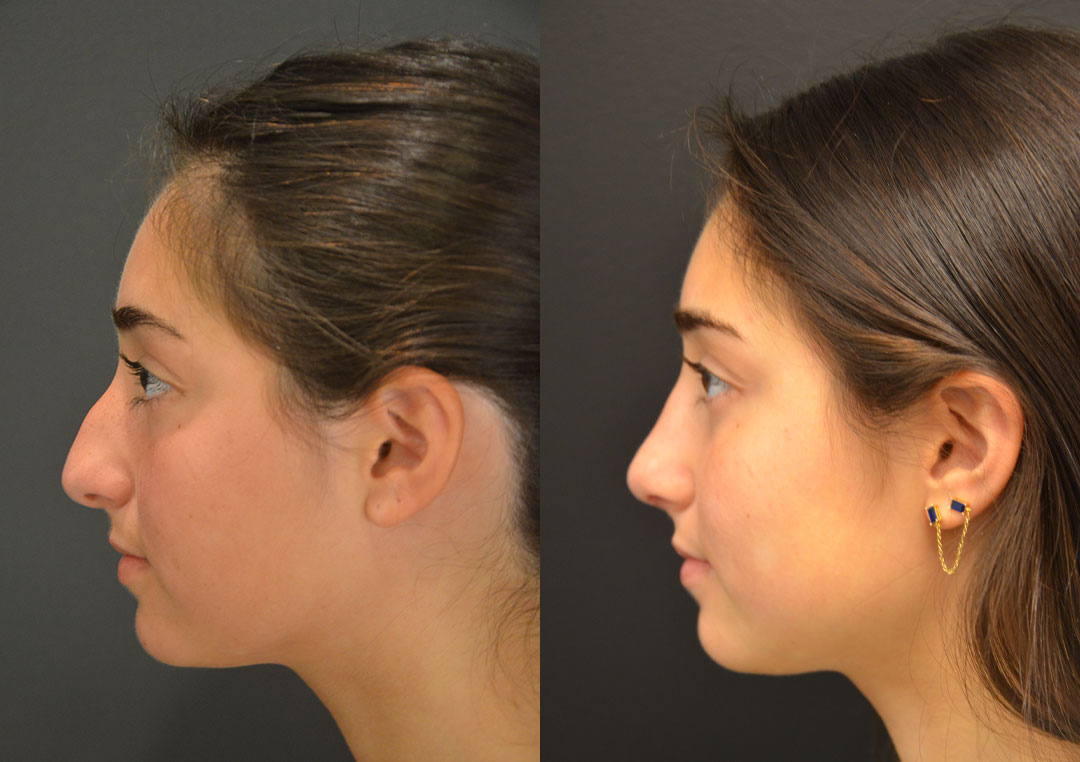
Let’s be honest—the world of cosmetic procedures isn’t just for older adults anymore. Scroll through any social feed and you’ll see it: a growing, undeniable trend of younger faces considering—and getting—everything from rhinoplasty to lip filler. It’s a complex landscape, filled with hope for confidence and fraught with ethical questions. So, what’s the real deal when it comes to teens and young adults going under the needle or the knife?
The Why Behind the Rise: More Than Just Vanity
It’s too simple to write this off as mere vanity. The drivers are multifaceted, and honestly, you have to understand them to have a real conversation. Social media acts as a constant, high-definition mirror—and a comparison tool. The pressure to meet a filtered standard can feel immense, a 24/7 audition for your own life.
But there’s also greater accessibility and de-stigmatization. Procedures are more discussed, more normalized in pop culture. And for some young people, it’s about addressing a long-standing source of anxiety—a prominent nose they’ve been teased about, or acne scars that feel like a permanent record of painful adolescence. The desire isn’t always to look like someone else; sometimes it’s to finally feel at home in your own skin.
The Ethical Tightrope: Consent, Development, and Influence
This is where things get, well, tricky. The core ethical considerations for teen cosmetic surgery are profound.
Informed Consent in a Developing Brain
Can a 16-year-old truly give informed consent for a permanent change? The prefrontal cortex—the part of the brain responsible for long-term decision-making and consequence evaluation—isn’t fully developed until the mid-20s. A young person might be laser-focused on solving today’s insecurity, not fully grasping how their feelings about that “flaw” might evolve in a decade. It’s like getting a tattoo of a band you love at 16; will you still feel the same at 30?
The Surgeon’s Responsibility: Gatekeeper or Service Provider?
A huge ethical weight rests on the practitioner. Are they assessing psychological readiness or just medical feasibility? The best, most ethical surgeons often act more like cautious counselors, sometimes saying “no” or “not yet,” and exploring the motivation behind the request. Is it internal desire, or pressure from peers, parents, or even a boyfriend or girlfriend? That distinction is everything.
Practical Realities: What to Actually Consider
Okay, so say the ethical boxes are being carefully checked. The practical side is a mountain of details that can’t be ignored.
Physical Readiness and Long-Term Results
The body is still changing. For instance, rhinoplasty is generally not recommended until the nose has reached full growth, often around age 15 or 16 for girls, a bit later for boys. Procedures done too early might not “hold” as the body matures, leading to suboptimal results or even the need for revision surgery later—a key point in any discussion about cosmetic procedure long-term outcomes for young adults.
Here’s a quick look at common considerations:
| Procedure | Typical Minimum Age Consideration | Key Physical Readiness Factor |
| Rhinoplasty | Mid-teens+ | Facial growth completion |
| Otoplasty (ear pinning) | 5-7 years old | Ear growth nearly complete |
| Breast Augmentation | 18+ (by FDA mandate for implants) | Full breast development |
| Dermal Fillers | 18+ (often 21+ in practice) | Facial maturity; legal consent |
| Acne Scar Treatment | Late teens+ | Acne activity must be controlled first |
The Financial and Emotional Cost
This isn’t just about money, though that’s a massive factor—these procedures are rarely covered by insurance and are a serious out-of-pocket expense. The emotional cost can be higher. Recovery can be isolating. Results may not match the idealized expectation in their mind, leading to disappointment. And there’s a weird paradox: fixing one “flaw” might just shift their focus to another feature, a phenomenon some experts call “chasing perfection.”
A Path Forward: Guidelines for a Safer Journey
If a young person and their family are navigating this path, here are some non-negotiable steps. Think of them as a roadmap.
- Mandatory Psychological Evaluation: This shouldn’t be optional. A conversation with a therapist or psychologist can help uncover body dysmorphic disorder (BDD) or underlying issues that surgery won’t fix.
- The “Waiting Period” Rule: Enforce a cooling-off period—several months between the initial consultation and the procedure. It’s a test of how persistent and genuine the desire is.
- Parental Involvement & Support: For minors, parents must be deeply involved, not just as financiers but as objective sounding boards. They should attend consultations.
- Choosing the Right Provider: Don’t shop by price. Find a board-certified professional who specializes in younger patients, asks hard questions, and shows a portfolio of realistic results, not just glamour shots.
- Exploring Non-Invasive Alternatives First: For skin texture or mild asymmetry, what about a dedicated skincare regimen? Or working with a makeup artist? Sometimes, a less permanent solution can build confidence without the scalpel.
In fact, the rise of non-surgical alternatives for teenage appearance concerns—like better skincare tech and laser treatments—offers a middle ground worth exhausting first.
The Final Reflection: Beyond the Procedure
We’re left with a lingering thought. Cosmetic procedures are tools, powerful ones. In the right context—for a mature, well-informed young person with realistic expectations and a solid support system—they can be a positive choice. They can alleviate real distress.
But they are not a shortcut to self-esteem. That’s a deeper project, built on things no surgeon can provide: identity, accomplishment, connection. The goal, maybe, isn’t to ban the conversation but to deepen it. To ensure that the desire to change a feature comes from a place of self-care, not self-rejection. And to remember that the most ethical procedure might sometimes be the one that doesn’t happen at all… at least, not yet.


