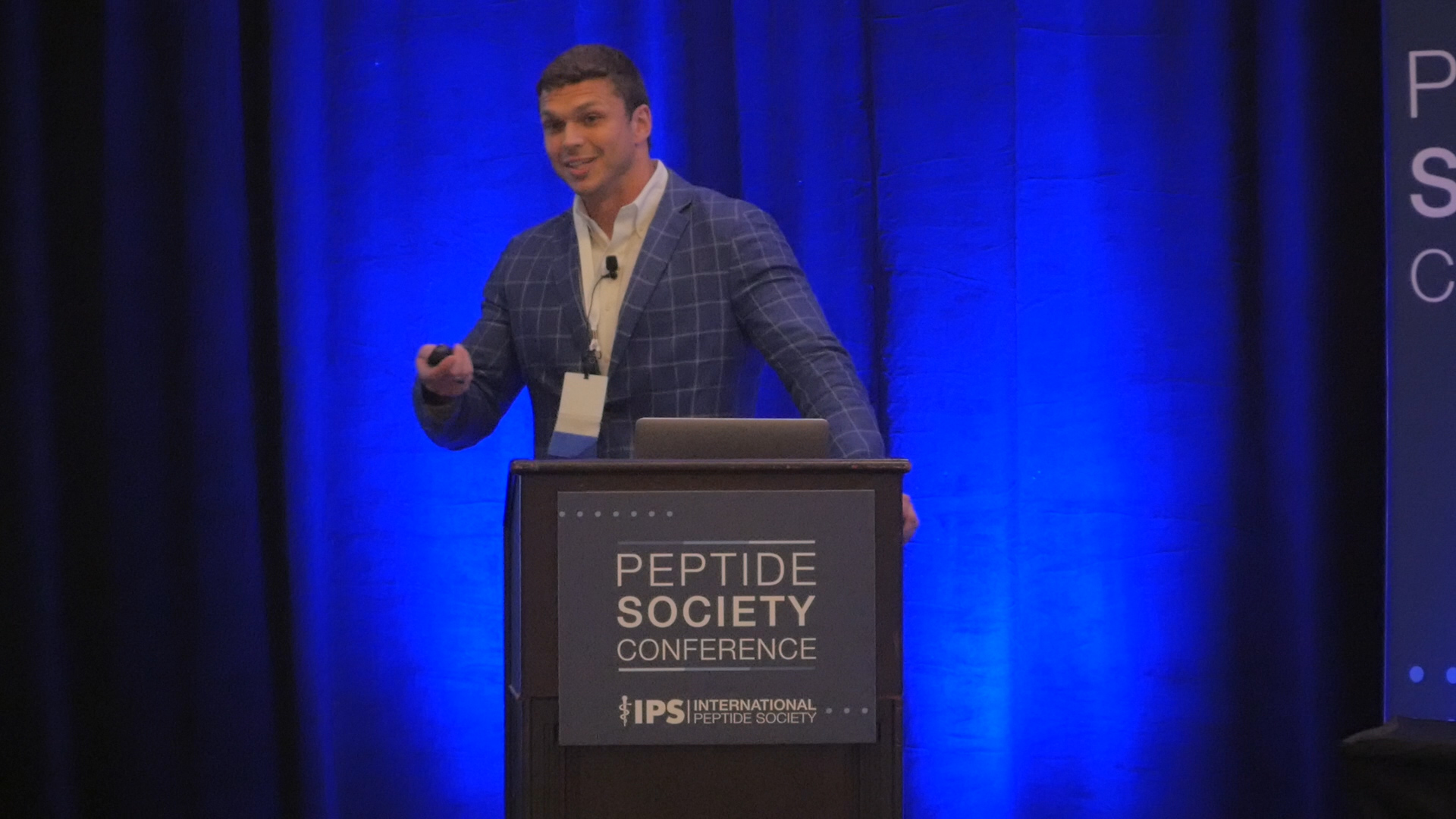
Breakthroughs in health and nutrition come and go, and many end up being little more than fads, if not outright scams. Many approach peptide supplements the same way. With new weight loss aids hitting the market and talk about their potential benefits from entrepreneurs like Ryan Smith Lexington KY, it can be hard to determine if this is the next big thing or just the next big flop. Here are some pointers to help sort through the chatter around the subject.

What are Peptides?
Peptides are nothing new in the study of biology. They’re similar to proteins in that they’re chains of amino acids, but they exist on a much smaller scale and may come from breaking down proteins. Various kinds of peptides are found through not just the human body, but nearly all life on Earth, usually functioning as chemical messengers like hormones. The peptides most talked about are collagen and creatine peptides.
What are Peptides Taken For?
Sold as nutritional and health aids for purposes like weight loss, muscle growth, improved skin and joint health, digestion support, and wound healing, peptide supplements contain peptides derived from various protein sources. Companies such as Peptides Canada provide these supplements, which often utilize protein sources similar to those found in common diets.
Do Peptide Supplements Work?
Much research exists on the biochemical nature of peptides, but research on the effects of modern peptide supplements on the body is less substantial so far. Like protein supplements, they do have potential for offering much-needed amino acids that your diet might lack, and particular peptides have demonstrated health benefits in studies. However, there are disputes on how effective supplements are in delivering peptides to the user, or if the peptides have any significant effect, suggesting that they work better alongside traditional dieting and exercise rather than as replacements.
The larger concern comes from weaker regulations on peptide supplements than on other drugs. Experts agree that, if you do try peptides, you should be careful about where they come from; ideally, you should turn to a doctor for a prescription.