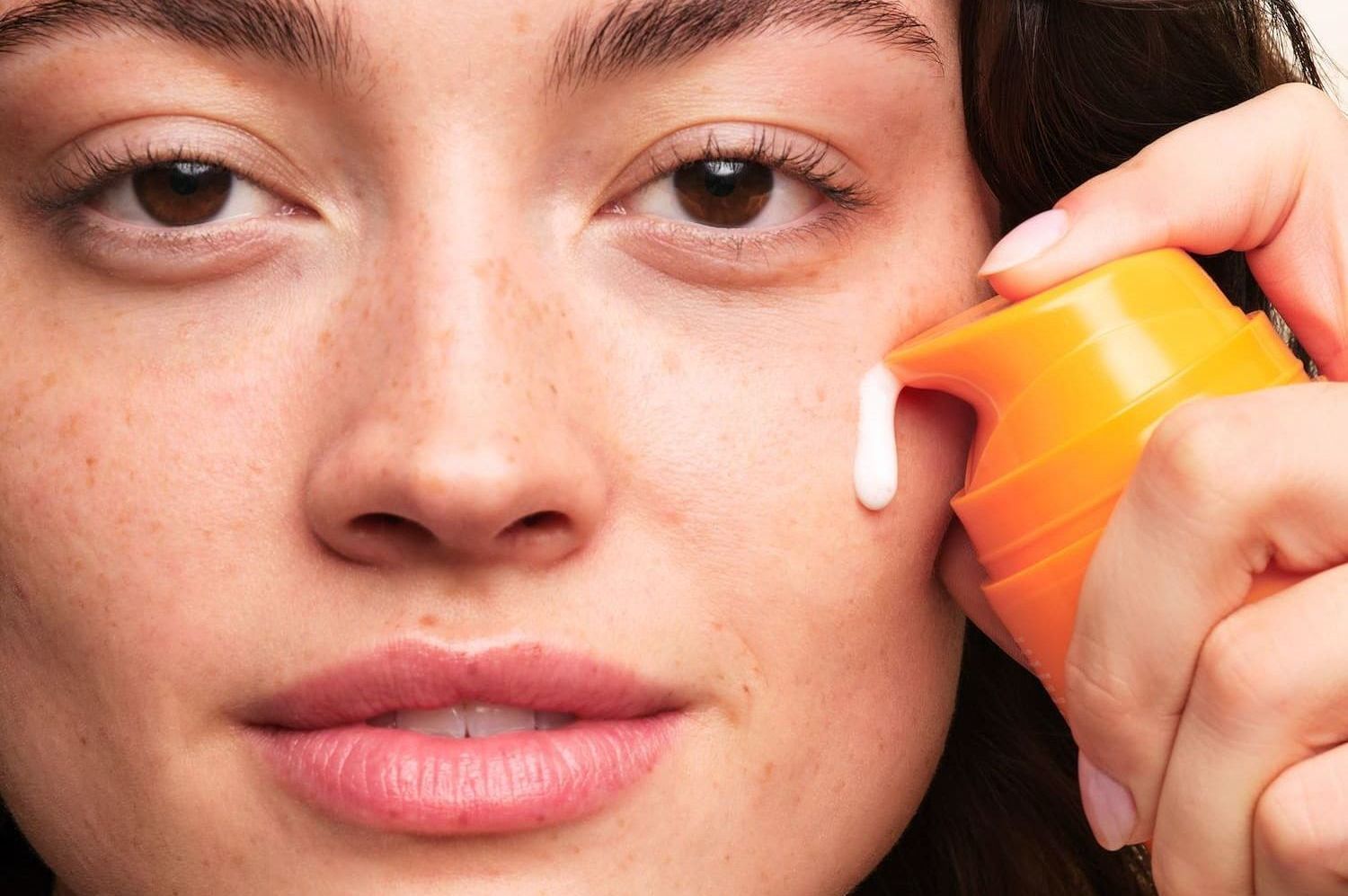
Let’s be honest. For years, your skincare routine might have felt like a trusted, predictable friend. Cleanse, moisturize, maybe treat a breakout or two. Then, perimenopause hits, and suddenly that friend is speaking a different language. Your skin feels like a stranger’s—dry yet shiny, sensitive, with a texture you don’t recognize.
Here’s the deal: this shift isn’t a flaw; it’s biology. As estrogen declines, everything changes. Collagen production plummets (we’re talking a loss of about 30% in the first five years post-menopause), sebum output gets confused, and skin’s natural barrier weakens. The old rules don’t apply. But that doesn’t mean you’re starting from zero. It means you’re pivoting—with purpose.
The Skin Shift: What’s Actually Happening
Think of your skin’s support system—its collagen, elastin, and moisture barrier—as a well-staffed team. Estrogen is the manager keeping everything humming. As that manager steps back, the team gets overwhelmed. The result? A whole constellation of new concerns that often show up all at once. It’s a lot, you know?
Common Changes You Might Recognize:
- Desert-Dryness & Dehydration: That tight, thirsty feeling even after moisturizing. It’s because your skin is losing its ability to hold onto water.
- Loss of Firmness & Crepey Texture: Collagen and elastin fibers break down, leading to sagging and that fine, crinkly paper-like texture, especially on the neck and décolletage.
- New Sensitivity & Reactivity: Products you’ve used for years might suddenly sting or cause redness. That protective barrier is compromised.
- Dullness & Uneven Tone: Cell turnover slows to a crawl, leaving a layer of dead, lackluster skin on the surface. Hormonal swings can also trigger melasma—those stubborn dark patches.
- Adult Acne & Random Breakouts: Thanks to the relative dominance of androgen hormones, you might see oily zones and cystic bumps along the jawline. Fun, right?
Rethinking Your Skincare: A Softer, Smarter Approach
Forget the harsh, stripping routines of your youth. The new goal is nourishment and support. You’re not just applying products; you’re reinforcing that weakened barrier and giving your skin what it’s literally crying out for.
Core Principles for Your New Regimen:
- Cleanse Gently: Swap foaming washes for creamy, non-foaming cleansers or rich balms. Your mantra: no squeaky-clean feeling.
- Hydrate, Then Moisturize: This is key. Layer a hyaluronic acid serum on damp skin to pull in water, then immediately seal it with a richer, ceramide-packed moisturizer.
- Retinoid, But Gentle: Prescription retinoids can be too harsh. Look for gentler over-the-counter retinol or even better, retinaldehyde. Start slow—twice a week—and always buffer with moisturizer.
- Peptides Are Your BFF: These amino acid chains signal your skin to produce more collagen. They’re the quiet, effective workers in the background.
- Never, Ever Skip SPF: Sun protection is your #1 anti-ager now. It prevents further collagen breakdown and protects vulnerable, thinning skin.
Makeup That Works With You, Not Against You
Makeup application can feel frustrating when your canvas has changed. That powder that once perfected now settles into fine lines. Foundation clings to dry patches. The solution? A shift in texture and technique.
Pro Tips for a Flawless, Fresh Face:
| Product Category | What to Look For | What to Avoid |
| Primer | Hydrating, luminous primers. Ones with a slightly tacky finish to grip makeup. | Mattifying, pore-blurring primers (they can be drying). |
| Foundation | Liquid serums, tinted moisturizers, cream foundations. Sheer to medium, dewy finish. | Full-coverage matte powders and thick, heavy liquids. |
| Concealer | Creamy, hydrating formulas in a slightly peachy tone for under-eye darkness. | Dry, stick concealers or overly light shades that accentuate texture. |
| Powder | Micro-fine, hydrating powders. Use only to lightly set areas that crease. | Heavy, all-over powder application. It ages the skin instantly. |
| Blush & Bronzer | Cream or liquid formulas. They melt into the skin, giving a natural flush. | Powder blushes that sit on top of the skin and emphasize dryness. |
And a quick technique hack: apply foundation with a damp sponge (a beauty blender type thing) using a pressing and rolling motion. It sheers out product and presses it into the skin, rather than dragging it across the surface.
It’s More Than Products: The Holistic Thread
Honestly, you can’t out-product a hormonal shift. What you do outside your bathroom matters just as much. Stress management—through walking, meditation, whatever works—is crucial because cortisol breaks down collagen. Sleep is non-negotiable; that’s when skin repair kicks into high gear.
And diet? Omega-3 fatty acids (think salmon, chia seeds) support your skin’s lipid barrier. It’s internal moisturizer. Hydration, from the inside out, is your secret weapon.
Embracing the New Normal
Adapting your beauty routine for menopause isn’t about fighting age. It’s about responding to your skin’s new needs with intelligence and a bit of grace. It’s an act of listening. The goal shifts from covering up to nurturing, from a full face of makeup to a radiant, healthy base.
Your face tells a story—of laughter, wisdom, and yes, change. This chapter is about giving it the support it needs to look and feel its best, on its own terms. And that, in fact, is a beautiful thing.