Let’s be honest. If you have sensitive, eczema-prone skin, finding a beauty product that doesn’t cause a flare-up can feel like a high-stakes chemistry experiment. You know the drill: the hopeful purchase, the cautious patch test, the… itchy, red disappointment. It’s exhausting.
But here’s the deal. The problem often isn’t your skin itself. It’s the formulation. The specific cocktail of ingredients, textures, and preservatives in that jar or bottle. Understanding what goes into beauty product formulation for sensitive skin can completely change your shopping game. Let’s dive into what truly makes a product safe and effective for skin that’s quick to protest.
The Formulator’s Mindset: Less is More, But Better
Think of a minimalist, serene room. That’s the ideal formula for reactive skin. Clutter—in this case, too many ingredients—increases the chance of something triggering a reaction. Formulators for this niche aren’t just subtracting; they’re curating with surgical precision.
They prioritize three pillars: repairing the skin barrier, eliminating known irritants, and maintaining extreme purity. The goal is to support your skin’s fragile ecosystem, not overwhelm it with a barrage of actives. It’s skincare as a soothing whisper, not a shout.
Ingredient Hall of Fame (And Shame)
This is where the rubber meets the road. Knowing these can help you decode any label.
The Heroes: What to Look For
These ingredients are the workhorses of calming, eczema-prone skin formulations.
- Ceramides: These are the mortar between your skin’s bricks (cells). A compromised barrier lacks them. Topical ceramides help rebuild that critical wall against allergens and moisture loss.
- Colloidal Oatmeal: Not your breakfast oatmeal. This is finely ground oats suspended in a formula. It’s anti-inflammatory, intensely soothing, and itch-relieving—a true MVP for flare-ups.
- Niacinamide (Vitamin B3): A multi-tasker. It strengthens the barrier, improves hydration, and reduces redness. It’s gentle enough for most, but always start with a low concentration (around 5%).
- Squalane: A lightweight, plant-derived oil that mimics your skin’s own sebum. It delivers moisture without a greasy feel or clogging pores. It just… fits.
- Panthenol (Provitamin B5): A humectant that draws in water and has anti-inflammatory properties. It’s like a cool drink of water for angry skin.
The Villains: Common Irritants to Avoid
Steering clear is just as important as seeking the good stuff. For sensitive skin product development, these are often the first to go.
| Ingredient Category | Common Examples | Why It’s Problematic |
| Fragrance | Parfum, essential oils (like citrus, lavender) | The #1 culprit. Synthetic and natural fragrances are packed with allergens that can trigger eczema. |
| Harsh Surfactants | SLS (Sodium Lauryl Sulfate), SLES | Strips the skin barrier, causing dryness and irritation. That satisfying “squeaky clean” feeling? That’s damage. |
| Certain Preservatives | Methylisothiazolinone, Formaldehyde-releasers | While necessary in some water-based products, these specific ones have high rates of allergic contact dermatitis. |
| Drying Alcohols | SD Alcohol, Denatured Alcohol (high on list) | Can be extremely stripping and disruptive to the skin’s barrier function. |
| Physical Exfoliants | Crushed nuts, rough sugar scrubs | Can create micro-tears in already compromised skin, leading to more inflammation. |
Texture & Experience: It’s Not Just What’s In It
A brilliant ingredient list can be ruined by a poorly chosen texture. Formulators think deeply about this. Thick, occlusive creams might be perfect for a flare-up but feel suffocating for daily use on the face. Light lotions might not provide enough protection.
The trend now? Air-whipped textures, gel-cream hybrids, and milky serums. These deliver hydration and actives without a heavy, occlusive feel that can sometimes trap heat or feel uncomfortable. It’s about creating a sensory experience that feels safe and pleasant to use—because if you dread applying it, you won’t.
The “Free-From” Trap & Clean Beauty Nuance
You see “fragrance-free,” “paraben-free,” “clean” everywhere. It’s easy to get swept up. But a “free-from” label doesn’t automatically mean it’s formulated for sensitivity. In fact, a product might remove parabens (a generally well-tolerated preservative) and use a more irritating alternative.
True hypoallergenic beauty formulation is about science-backed safety, not just marketing buzzwords. Look for brands that specifically mention testing on sensitive or eczema-prone skin, and that have dermatologists involved in the process. Transparency is key—they should tell you *why* they chose each ingredient.
Patch Testing: The Non-Negotiable Final Step
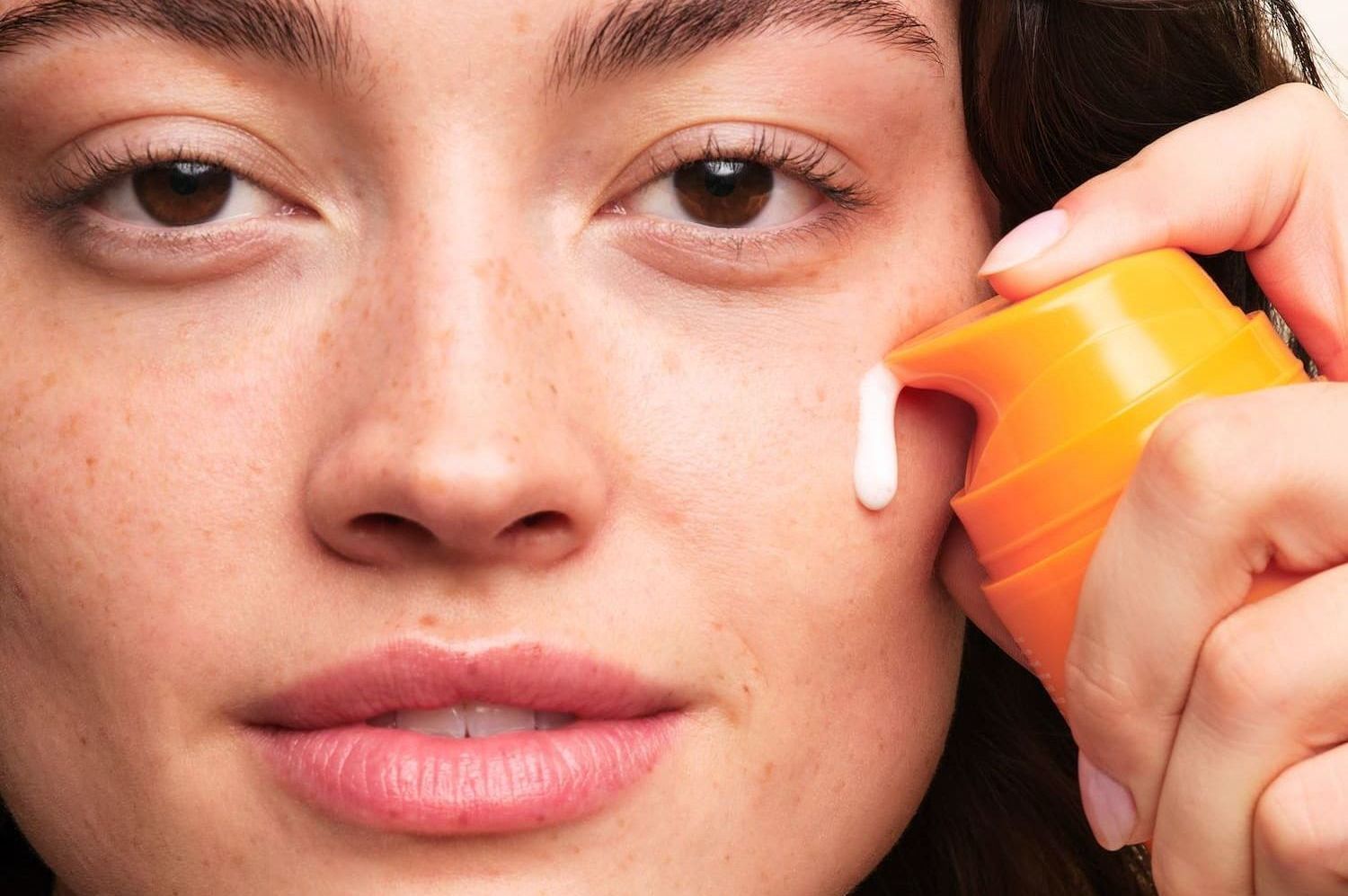
Even with a perfect formula, your skin is unique. So, here’s the non-sexy, absolutely critical advice. Always patch test. Not for five minutes. For at least 48-72 hours.
Apply a small amount (a dime-sized dollop, really) to a sensitive area like the inner forearm or behind the ear. Watch and wait. No reaction? Then you can consider applying it to a small area on your face. It’s tedious, but it’s the only way to know for sure. This step is, honestly, part of the formulation’s journey—from the lab to your skin.
A New Relationship with Your Skin
Ultimately, finding the right beauty products for eczema-prone skin is about shifting your perspective. It’s not about fighting your skin or chasing a miracle cure. It’s about partnership. It’s about choosing formulations that listen more than they command, that soothe more than they strip.
The best formulation, in the end, is one that makes your skin feel quietly, calmly, and consistently like itself. Not a reaction, but a presence. And that’s a beautiful thing.