
Let’s be honest. Managing a chronic condition can feel like a second, unpaid job. The endless cycle of appointments, medication schedules, and lifestyle tracking is… exhausting. But what if part of your treatment plan lived not in your cabinet, but in your pocket?
That’s the promise of digital therapeutics and prescription apps. We’re not talking about generic fitness trackers or meditation guides. These are evidence-based, clinically validated tools—often prescribed by your doctor—designed to directly treat, manage, or prevent a disease. Think of them as software becoming a core part of your medical regimen.
What Exactly Are Digital Therapeutics (DTx)?
Okay, let’s break it down. Digital therapeutics are a specific category of health software. They undergo rigorous clinical trials, just like a new drug would, to prove they work. Their efficacy isn’t a hopeful guess; it’s a documented fact. Once approved by bodies like the FDA, doctors can actually prescribe them.
They’re built to address specific conditions—type 2 diabetes, hypertension, insomnia, substance use disorders, you name it. The app isn’t just a passive logbook; it’s an active intervention. It delivers structured therapy programs, provides real-time behavioral coaching, and uses your own data to offer personalized insights. It’s like having a dedicated, knowledgeable health coach who’s available 24/7, right there on your phone.
Prescription Apps: Your Doctor’s Newest Tool
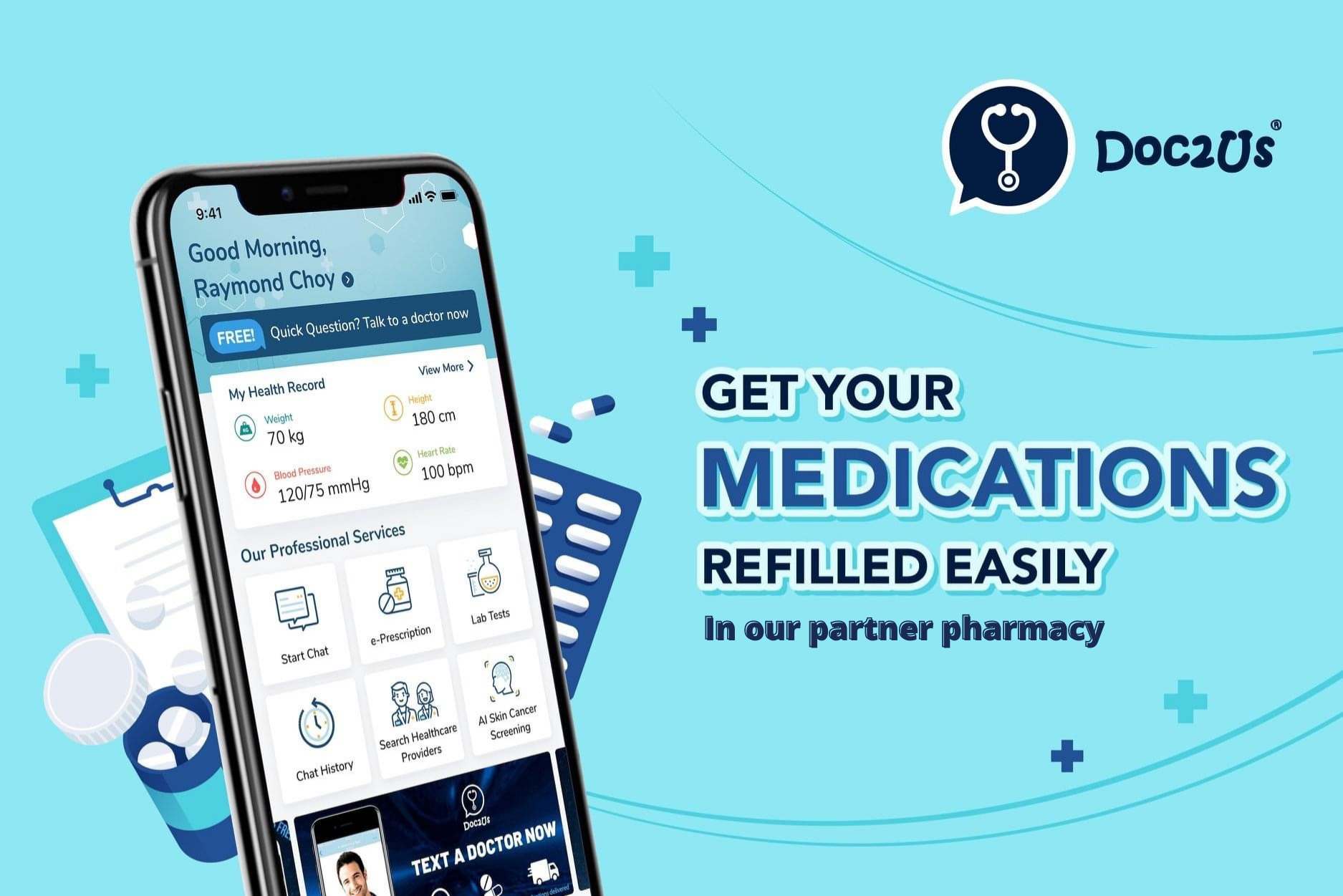
So how do you get one? Here’s where it gets interesting. The process is starting to look a lot like getting a traditional prescription. Your physician assesses your needs and, if appropriate, prescribes a specific app. You might get a digital code or a download link. Sometimes, insurance even covers it.
This prescription model is key. It legitimizes the tool in your eyes and your doctor’s. It moves the app from the “maybe useful” wellness aisle into the “clinically necessary” part of your care plan. The doctor can then monitor your progress through clinician dashboards, creating a feedback loop that bridges the gap between appointments. Suddenly, those months between check-ups aren’t a black box anymore.
Real-World Applications: Where DTx Shines
Abstract concepts are fine, but what does this look like in practice? Well, consider a few scenarios:
- For Diabetes Management: An app that doesn’t just track blood glucose but analyzes patterns, connects them to your meals and activity, and offers personalized nutritional guidance to prevent spikes. It’s a constant learning feedback loop for your body.
- For Mental Health: A prescription app for insomnia might deliver a tailored CBT-I (Cognitive Behavioral Therapy for Insomnia) program, guiding you through sleep restriction and stimulus control techniques over several weeks—without a weekly therapist visit.
- For Pulmonary Rehab: An app for COPD patients that guides them through daily breathing exercises, tracks symptoms, and can even alert them to environmental triggers like poor air quality in their area.
The Tangible Benefits—And Let’s Talk Hurdles
The potential here is massive. For patients, it means empowerment, convenience, and truly personalized care. For an overstretched healthcare system, it offers a scalable way to extend support and improve outcomes. Studies show DTx can lead to better medication adherence, fewer hospital visits, and overall, a higher quality of life.
That said, it’s not all smooth sailing. There are real challenges.
| Challenge | What It Means |
| Access & Equity | Not everyone has a smartphone, reliable internet, or digital literacy. We risk creating a new kind of healthcare divide. |
| Integration Fatigue | Patients (and doctors) are overwhelmed with apps. How does this new tool fit with the electronic health record (EHR) and other devices? |
| Long-Term Engagement | Like any therapy, benefits depend on consistent use. Keeping users engaged beyond the initial novelty is a design and clinical hurdle. |
| Reimbursement Clarity | While improving, insurance coverage is still a patchwork. Payer models are evolving, but it’s inconsistent. |
The Future Is Integrative, Not Isolated
Here’s the crucial point: these apps aren’t meant to replace your doctor. Not at all. The most successful digital therapeutics act as a bridge. They fill the gaps in the long stretches between office visits with continuous, data-driven support.
The future of chronic condition management is shaping up to be a blend—a hybrid model. Imagine a treatment plan that seamlessly combines a traditional medication with a prescribed app for behavioral modification, and remote monitoring from your care team. It’s a more holistic, responsive, and frankly, more human approach to care, even though it’s enabled by technology.
The landscape is evolving fast. We’re seeing more FDA clearances, more interest from big pharma in digital companion apps, and a slow but steady shift in how payers view this category. The train, as they say, has left the station.
So, the next time you see your doctor for a chronic condition, it might not be out of place to ask: “Is there a prescribed digital tool that could complement my current plan?” You might just be surprised by the answer. The toolbox for health is expanding, and it’s becoming more digital, more personal, and more empowering every single day. The goal, after all, isn’t just to manage illness—it’s to reclaim a sense of normalcy, control, and well-being. And sometimes, that power can indeed come through a screen.


